I have spent years working with print shops and uniform programs, and I can tell you that the polo shirt occupies a sweet spot that few garments can match. It sits between a casual tee and a formal button-down, making it useful for everything from trade shows to weekly team lunches. When you add customization to that mix, you get a garment that does real work for your brand identity. The challenge is knowing what to ask for, what materials to choose, and how to get the details right without overspending.
Custom polo shirts are not just about slapping a logo on a piece of clothing. They are about fit, fabric, and finish. I have seen too many companies order a bulk batch of polos only to realize the color is off, the sleeves are too short, or the embroidery puckers around the edges. Those mistakes cost time and money. The good news is that a little planning goes a long way. And when you work with a shop that understands production, like Custom Shirt Printing, the whole process becomes smoother.
Let me walk through what actually matters when you order custom polo shirts customtsprinting. This is not theory. I have been on the production floor, watched screens pull ink, and seen the difference between a well-placed embroidery and a rushed one. The same principles apply whether you are ordering twenty polos for a sales team or two hundred for a company picnic.
Fabric First
The most common mistake I see is choosing a fabric that looks good in the catalog but feels stiff after a few washes. A polyester blend can hold bright colors and resist wrinkles, but it may trap heat. Cotton is breathable and soft, but it fades faster and shrinks more. A 65/35 polyester-cotton blend often gives the best balance. It keeps the shape, accepts embroidery well, and breathes better than pure poly.
I also recommend looking at the weight of the fabric. A lighter weight, around 4.5 ounces per square yard, works for indoor events and warmer climates. Heavier polos, around 6 ounces, hold up better for outdoor use and frequent washing. If you are ordering for a team that wears the shirt every week, go heavier. It will last longer and keep its collar shape.
Embroidery vs. Screen Printing
This is where many people get stuck. Both methods have their place, and the choice depends on your design and how you plan to use the shirts.
Embroidery gives a polished, professional look. It works best for small logos, text, or simple shapes on the chest or sleeve. The thread adds texture and durability. I have seen embroidered logos on polos that still look sharp after five years. The downside is that embroidery can only handle a limited number of colors and fine details. If your logo has gradients or tiny text, it may not translate well to thread.
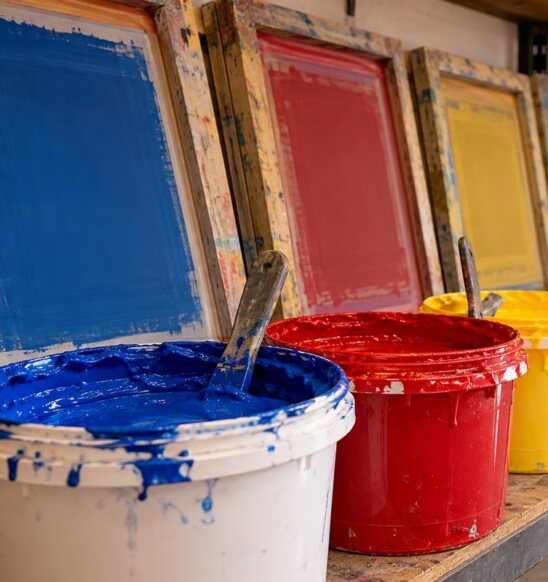
Screen printing, on the other hand, handles complex designs with many colors. It is also cheaper per piece for larger quantities. But on a polo, screen printing can feel less premium than embroidery. The ink sits on top of the fabric, and over time it can crack or fade if not cured properly. For a casual company event or a youth sports team, screen printing is fine. For a client-facing sales team, I lean toward embroidery.
When I talk to people about custom polo shirts customtsprinting, I often suggest a hybrid approach. Put an embroidered logo on the chest and a screen-printed design on the back for a team event. That gives you the best of both worlds without doubling the cost.
Color and Contrast
Color choice matters more than most people think. A dark polo with light embroidery can look sharp, but the thread color needs to contrast enough to be readable from a few feet away. I have seen navy polos with black embroidery that just disappear. On the flip side, white embroidery on a light gray shirt can look washed out.
If your brand uses specific Pantone colors, make sure the thread or ink matches as closely as possible. Most print shops have thread color charts, but they are not exact. Ask for a sample before the full run. Custom Shirt Printing does this as part of their process. It saves headaches.
Also consider the color of the buttons. Standard polo buttons are usually plastic and come in white, black, or matching body color. A contrasting button can be a subtle style detail, but it can also look cheap if the quality is low. Stick with matching buttons unless you have a design reason not to.

Fit and Sizing
Polo shirts come in different cuts. Some are boxy with straight sides. Others have a tapered waist and shorter sleeves. If you are ordering for a mixed group, go with a classic fit. It flatters more body types and does not look too tight or too baggy. If you are ordering for a specific team, ask for a sizing kit. Let people try on samples before you place the bulk order. The cost of a few sample shirts is nothing compared to the cost of exchanging fifty polos that do not fit.
Many companies also offer custom sizing options, like shorter lengths for women or longer sleeves for taller employees. Not every print shop will do this, but some will. It is worth asking.
Care and Longevity
No matter how good the shirt is, if people wash it wrong, it will not last. I tell every client to include care instructions with the shirts. Cold water, gentle cycle, hang dry or tumble dry low. Heat is the enemy of embroidery thread and screen-printed ink. A simple care card can double the life of a polo.
For the shop itself, the quality of the backing material used during embroidery matters. Cheap backing can cause the logo to pucker or the fabric to stretch. A good print shop uses cut-away or tear-away backing that stabilizes the fabric without distorting it. When you order custom polo shirts customtsprinting, ask about the backing material. It is a small detail that makes a big difference in the final look.
Budget and Minimums
Custom polos are not cheap per piece, but the price drops significantly with quantity. A typical minimum order for embroidery is 12 to 24 pieces. Screen printing may have a lower minimum because the setup is simpler. If you only need a few shirts, look for a shop that does not charge a huge setup fee. Some shops waive the fee if you use their stock designs or pre-made templates.
I have seen companies save money by ordering a neutral color like black or navy and using a single-color embroidered logo. That keeps the per-piece cost low and still looks professional. If your logo has multiple colors, expect to pay more per shirt. The thread colors add setup time and complexity.
Working with a Local Shop
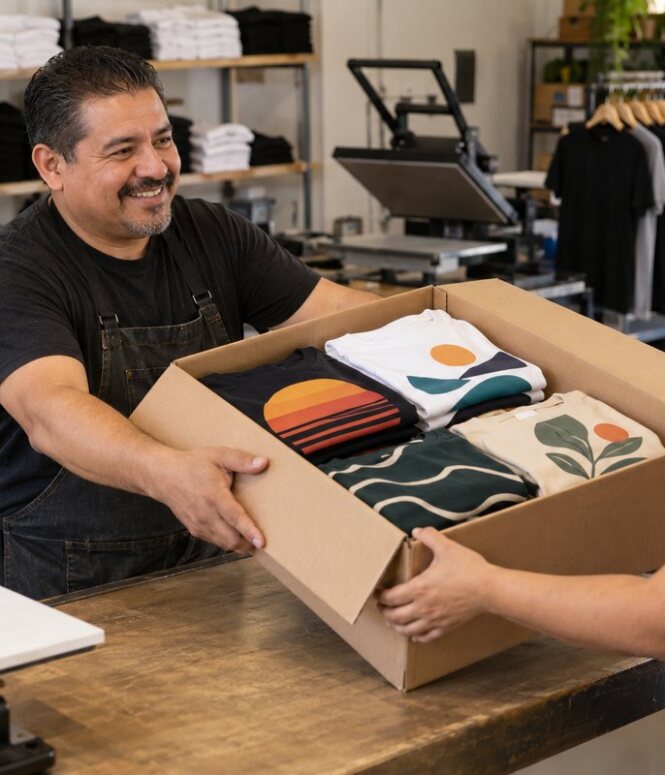
One advantage of working with a family-owned print shop like Custom Shirt Printing is that you can walk in, feel the fabric, and see the samples. You are not guessing from a website. You can ask questions and get honest answers. The owner has a stake in your satisfaction because they live in the same community. That kind of relationship matters when you need a rush order or a last-minute fix.
I have worked with both large online printers and local shops. The local ones almost always care more about the details. They catch mistakes before they happen. They recommend changes that save you money. They do not treat you like a number.
So if you are thinking about ordering custom polo shirts for your team, your event, or your brand, take the time to choose fabric, decoration method, and fit carefully. A well-made custom polo shirt can last for years and represent your brand well every time someone wears it. That is the kind of return on investment that shows up in real life, not just in spreadsheets.
 Facebook
 Instagram